

What Is ICSI? A Step-by-Step Look at Intracytoplasmic Sperm Injection
If you've been exploring fertility treatment options, you may have come across the term ICSI and wondered what it actually involves. Intracytoplasmic sperm injection is one of the most effective tools in modern fertility care, and understanding how it works can help you feel more confident as you navigate your options.
How ICSI Works
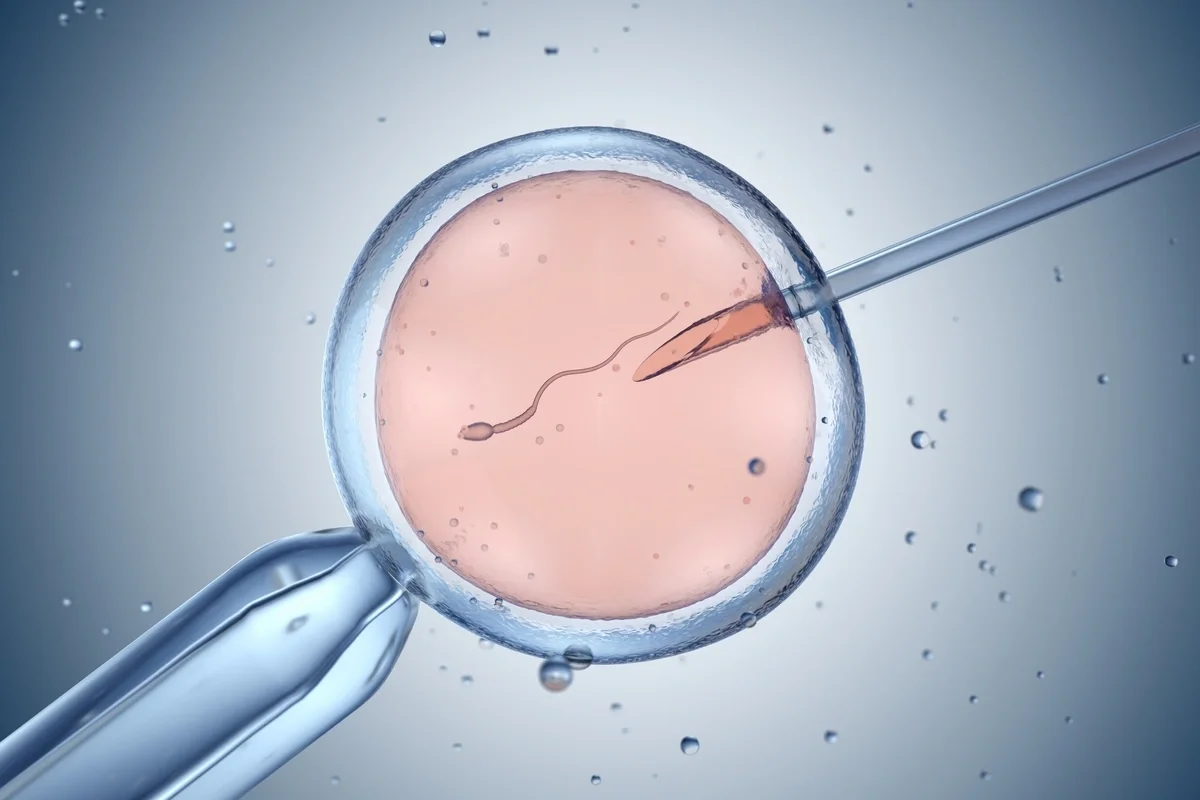
ICSI is a specialized form of in vitro fertilization (IVF) where a single sperm is injected directly into a mature egg. Here's what the process looks like from start to finish:
First, the female partner undergoes ovarian stimulation to produce multiple eggs, which are then retrieved in a minor outpatient procedure. Meanwhile, a sperm sample is collected and prepared in the lab. An embryologist then uses a tiny needle to carefully inject one sperm directly into each egg. Over the next few days, successfully fertilized eggs develop into embryos, and one is transferred to the uterus.
Who Is ICSI For?
ICSI is especially helpful in situations involving male factor infertility — things like low sperm count, poor motility, or abnormal sperm shape. It's also commonly recommended when previous IVF cycles haven't resulted in fertilization, when sperm needs to be surgically retrieved, or when there are concerns about fertilization rates due to the age or quality of the eggs.
That said, ICSI isn't only for couples with male factor challenges. Some fertility clinics use it more broadly to maximize the chances of successful fertilization.
Success Rates
ICSI has strong fertilization rates and is widely considered a safe and effective technique. Success rates depend on several individual factors, including age, egg quality, and overall reproductive health, so it's always best to talk with your care team about what to expect in your specific situation.
If you'd like to learn more about whether ICSI might be the right path for you, the team at Main Line Fertility would love to help. Reach out to us today to schedule a consultation.